
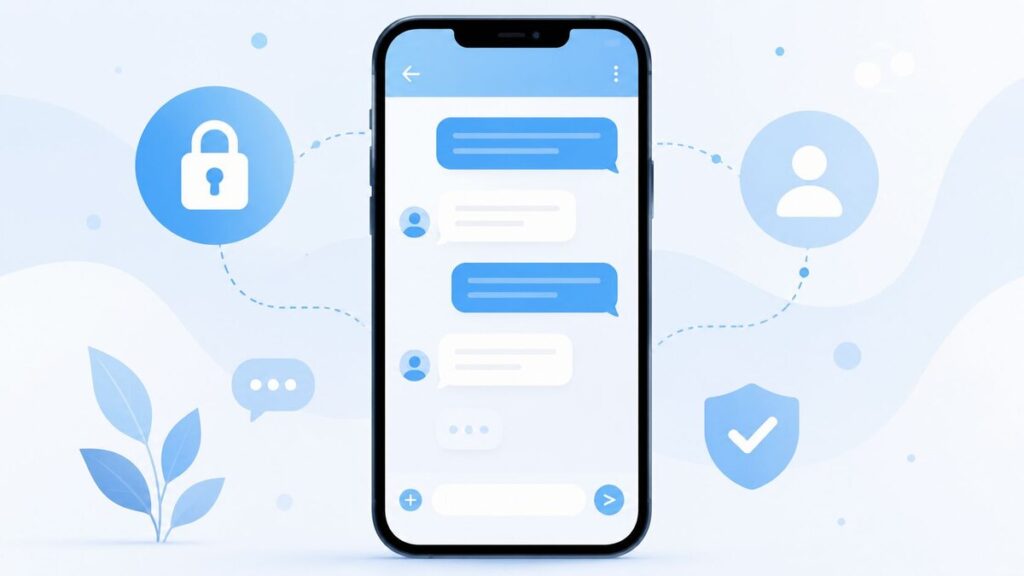
If you’ve ever sent a message on Instagram, X, or Discord, you’ve used internet DMs without necessarily knowing how they work. Most people don’t think twice about tapping “message” and typing away, but there’s more happening behind the scenes than it seems, especially when it comes to privacy.
This guide explains what internet DMs are, how they actually function, what different platforms do with your messages, and how to use direct messaging safely and effectively.
What Internet DMs Are and Why They Became So Popular
A direct message is a private message sent from one person to another (or to a small group), rather than posted publicly for anyone to see.
DMs took off because they solved a simple problem: people wanted private conversations without leaving the app they were already using. Instead of switching to email or texting, users could message someone right from the platform.
A few reasons DMs became so common:
- Convenience. No need to exchange phone numbers or emails.
- Context. You can message someone right after seeing their post or profile.
- Privacy. Conversations stay out of public feeds.
- Speed. Most DM systems support real-time messaging.
On many platforms, DMs are now the main way people communicate, sometimes even more than posting itself.
How Direct Messaging Actually Works
Sending a DM isn’t as simple as it looks. Here’s a simplified breakdown of what happens when you hit send:
- You compose a message in the app.
- The app packages (and often encrypts) the message and sends it to the platform’s servers.
- The server checks permissions, confirming whether you’re allowed to message this person, whether they’ve blocked you, or whether the message needs to be accepted first.
- The message is stored on the platform’s servers, tied to both users’ accounts.
- The recipient gets a notification, and the message appears in their inbox.
Some apps, like WhatsApp and Signal, use end-to-end encryption, meaning only the sender and recipient can read the message, not even the platform itself. Others, including most social media DMs, store messages in a way the company can technically access, even if it doesn’t actively read them. That difference matters a lot for privacy, which we’ll cover shortly.
Internet DMs vs Text Messages: What’s the Difference?
People often use “DM” and “text” interchangeably, but they work quite differently.
Text messages (SMS):
- Sent through your phone’s cellular network
- Tied to your phone number
- Work without an internet connection
- Limited formatting and features
Internet DMs:
- Sent through an app using Wi-Fi or mobile data
- Tied to your account or username, not your phone number
- Require an internet connection
- Often support media, reactions, voice notes, and disappearing messages
The biggest advantage of DMs is that they let you message people you don’t know personally, like a brand, a stranger who commented on your post, or a dating app match, without needing their phone number. That’s a big reason DMs have become the default way people connect online.
Where People Use Direct Messages Every Day
Most major platforms now have their own direct messaging system, and each one works a little differently.
- Instagram: Supports text, photos, videos, voice messages, and disappearing content
- X (formerly Twitter): Allows one-on-one and group DMs
- Discord: Built around group channels alongside private DMs, popular with gaming and interest-based communities
- LinkedIn: Professional messaging, often used for networking and recruiting
- Dating apps (Tinder, Bumble, Hinge): In-app messaging that unlocks after a match, keeping phone numbers private until users choose to share them
Each platform sets its own rules about who can message whom. Some let anyone message you by default, while others require you to follow each other first, so it’s worth checking your settings if unwanted messages are a concern.
Who Can Actually See Your Internet DMs?
This is one of the most common questions people have about internet DMs, and the honest answer depends on the platform.
- Platform employees may be able to access DMs on apps without end-to-end encryption, usually for moderation or safety investigations.
- Law enforcement can request message data with a warrant, depending on the platform’s policy and local laws.
- Hackers can access your DMs if your account is compromised, which is why strong passwords and two-factor authentication matter.
- The other person can always screenshot or forward your messages, regardless of any privacy setting.
If privacy is a priority, look for apps with end-to-end encryption by default, like Signal or WhatsApp. On platforms without it, it’s safer to assume your DMs aren’t fully private, even if they feel that way.
Direct Message Features Worth Knowing
Modern DM systems go well beyond simple text boxes. Knowing these features helps you use them more effectively.
Read receipts show when a message has been seen, which can create pressure to reply quickly. Many apps let you turn this off in settings.
Disappearing messages, popular on Instagram and Snapchat, vanish after being viewed or after a set time, though the recipient can often still screenshot them first.
Message requests filter messages from people you don’t follow into a separate inbox, keeping spam and unwanted contact out of your main chat list.
Reactions and replies let you respond to a specific message with an emoji or quick reply instead of typing a full response.
Group DMs let multiple people join one conversation, useful for organizing events, projects, or friend chats.
Why People Prefer DMs Over Public Comments
DMs feel more personal than posting publicly, and there’s a simple reason for that.
- Lower social risk. A private message isn’t judged by an entire audience.
- More direct communication. No algorithm decides who sees it.
- Better for sensitive topics. Personal or professional conversations feel safer in private.
- Stronger connection. Moving from public comments to DMs often signals real interest.
This is why DMs are often where friendships, business conversations, and relationships actually begin. A shift from a public comment to a private message usually means someone wants to talk more seriously.
How Businesses and Creators Use DMs
Direct messaging isn’t just for personal chats anymore. It’s become a real business tool.
- Customer service: Many companies now handle support through DMs instead of email.
- Sales conversations: Small businesses and creators often close sales by chatting directly with interested buyers.
- Brand collaborations: Companies frequently reach out to creators through Instagram or X DMs to arrange partnerships.
- Community building: Creators use DMs to build closer relationships with their most engaged followers.
The appeal is simple: DMs feel more personal than email and tend to get higher response rates. Just know that if you follow or interact with brands, your DMs may occasionally double as a marketing inbox.
Staying Safe With Internet DMs
Since DMs are a common entry point for scams and phishing attempts, a few habits go a long way.
- Never share passwords, banking details, or verification codes over DM, even if the sender seems legitimate.
- Be cautious of urgent requests. Scammers often create false urgency to rush your decisions.
- Review message requests carefully before accepting them, especially from unknown accounts.
- Use two-factor authentication so your DMs stay protected even if a password leaks.
- Report and block suspicious accounts instead of engaging with them.
Most platforms now offer solid safety tools, including options to filter who can message you and report abuse directly within the chat. Taking a few minutes to check your privacy settings can prevent a lot of trouble later.
Where Direct Messaging Is Headed Next
Direct messaging keeps evolving, and a few trends are shaping what’s next.
- AI-assisted replies are becoming more common, helping users draft responses or summarize long conversations.
- Cross-platform messaging is gaining traction, allowing communication between different apps.
- Stronger encryption standards are being adopted more widely as privacy concerns grow.
- In-chat commerce is expanding, letting users shop, pay, or book services directly inside a DM thread.
As platforms compete for attention, expect DMs to keep absorbing features that once needed separate apps, from payments to scheduling to video calls, all inside the same conversation window.
FAQs
What does DM mean on the internet?
DM stands for direct message, a private message sent between users on a platform instead of posted publicly.
Are internet DMs private and secure?
It depends on the platform. Some use end-to-end encryption, so only you and the recipient can read the message. Others store messages in a way the company can technically access.
Can someone see if you’ve read their DM?
On many platforms, yes. Read receipts show when a message has been seen, though this can usually be turned off in settings.
Is it safe to share personal information in DMs?
No. Avoid sharing passwords, banking details, or verification codes through direct messages, even with people you trust.
Do DMs disappear permanently?
Not always. Even disappearing messages can be screenshotted or saved by the recipient before they vanish.
Can businesses message you through DMs without permission?
It depends on platform settings. Many allow message requests from people you don’t follow, which land in a separate inbox until you accept them.
Conclusion
Internet DMs have quietly become the default way people communicate online, from casual chats to business deals. Understanding how they work, from encryption to message requests, helps you use them with more confidence and stay safer while doing it. Keep an eye on your privacy settings, follow basic safety habits, and you’ll get the most out of direct messaging without the common pitfalls.