
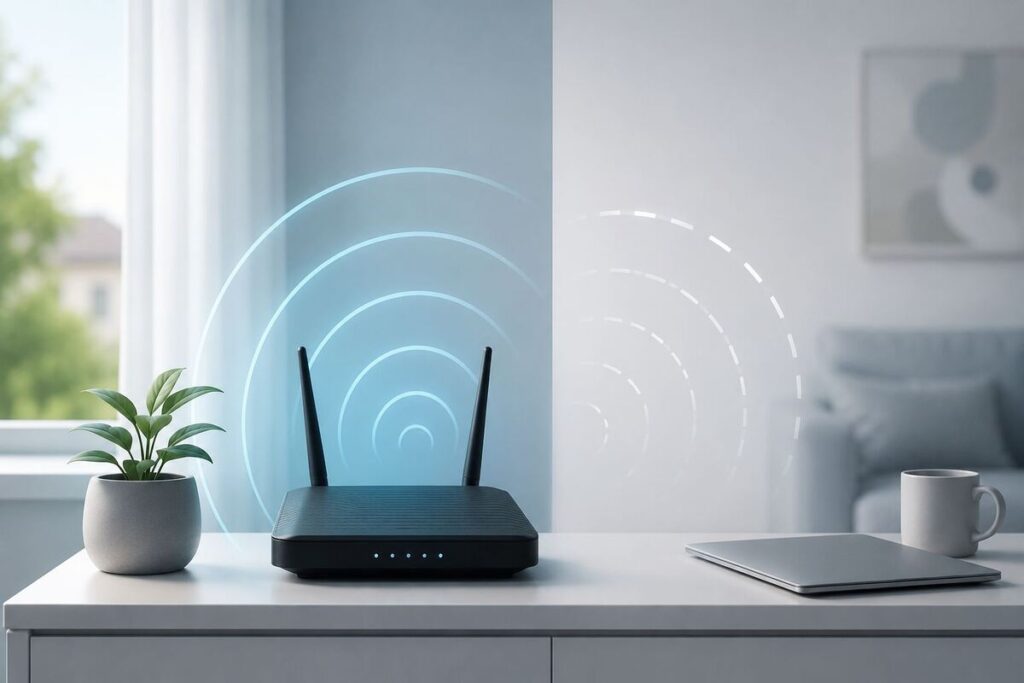
Thinking about switching to Tmobile Home Internet? Before you sign up, it helps to hear from people who already made the switch. Their experience tells a fuller story than any ad ever will.
Tmobile Home Internet has grown fast, and for good reason. It’s affordable, easy to set up, and works well for a lot of households. But it isn’t perfect for everyone. Some users deal with slower speeds during busy hours, weak coverage in certain areas, or frustrating support calls.
This article breaks down the real complaints people share most often, so you know what to expect before you commit.
What Real Customers Are Saying About Tmobile Home Internet
Most complaints fall into a few recurring themes: inconsistent speeds, occasional connection drops, and confusion around billing. That doesn’t mean the service is bad. Many users report smooth, trouble-free experiences, especially in areas with strong 5G coverage.
Because this is a wireless service rather than traditional cable or fiber, performance depends heavily on where you live, how many devices you connect, and the time of day. Your experience often comes down to local network conditions more than the plan itself, which is why it helps to understand the patterns behind these complaints before deciding.
Common Speed and Connection Drop Issues Explained
The most frequent complaint is inconsistent speed. Some users get the advertised 100 to 300 Mbps without issue, which is well above how much speed your household actually needs for everyday tasks. Others see noticeably slower speeds, especially in the evening when network traffic is high.
A few factors typically cause this:
- Tower congestion: heavy usage on the same tower can slow speeds during peak hours
- Signal strength at your address: homes farther from a tower, or with thick walls, may get a weaker connection
- Physical obstructions: trees, buildings, and heavy rain can occasionally affect signal quality
Connection drops are less common but do happen, particularly in fringe coverage areas. Most users describe these as brief interruptions rather than extended outages. Still, if you work from home or rely on stable video calls, even a short drop can be disruptive.
If your address sits near the edge of T-Mobile’s coverage map, check real-world speed reports for your zip code before signing up rather than relying on the map alone.
Data Deprioritization: Why Speeds Slow Down at Peak Hours
This issue gets less attention, but it’s worth understanding. Tmobile Home Internet plans can be subject to data deprioritization during network congestion. If a local tower gets busy, T-Mobile may prioritize other traffic ahead of your home connection.
Most households won’t notice this often. It tends to show up in dense urban areas or during high-traffic hours, typically between 6 PM and 11 PM. This isn’t a hard data cap and won’t cost you extra. It simply means speeds may dip temporarily during busy periods.
If your household streams, games, and video calls at the same time in the evening, this is the complaint most likely to affect you.
Latency Problems for Gaming and Video Calls
Latency matters for real-time activities like gaming, video calls, and live streaming. Since Tmobile Home Internet runs on a wireless 5G network rather than a fixed line, latency tends to run a bit higher and less consistent than wired internet.
For casual browsing, streaming, and most calls, this rarely causes problems. Users report more noticeable issues with:
- Competitive online gaming, where split-second reactions matter
- Video call stability, including occasional micro-lag or brief freezing
- Cloud gaming services like Xbox Cloud Gaming or GeForce Now, which are more sensitive to latency spikes
If gaming is a priority, test the service during T-Mobile’s trial period before committing, since latency varies by location.
Router and Equipment Complaints You Should Know About
Tmobile Home Internet includes a proprietary router. Setup is simple for most users, but a few complaints come up regularly:
- Limited customization: advanced users often find fewer settings compared to third-party routers
- Placement sensitivity: signal strength depends on where you put the router, and moving it a few feet can change performance
- Wi-Fi coverage in larger homes: some users report weak signal in far rooms and end up adding a mesh extender
On the plus side, setup is genuinely fast. Most users are online within 15 to 20 minutes of plugging in the device, with no technician visit needed.
Customer Service Experiences: The Good and the Frustrating
Customer service experiences are mixed, which is fairly typical across internet providers. Many users report quick, helpful support through the T-Mobile app or chat for basic setup issues.
Common frustrations include:
- Generic troubleshooting: some users feel support scripts don’t account for location-specific issues
- Slow escalation: ongoing speed or coverage problems sometimes take multiple contacts to resolve
- Longer wait times during high-demand periods
If you run into a persistent issue, the T-Mobile app’s chat support tends to get faster responses than phone calls.
Billing Surprises and Contract Confusion
One appeal of Tmobile Home Internet is simple pricing: no annual contract and a flat monthly rate. Still, a few billing complaints show up regularly:
- Autopay discount confusion: the advertised price usually assumes autopay enrollment; without it, the monthly cost is higher
- Taxes and fees: despite “all-in” pricing claims, some users see extra line items on their bill
- Promotional rate changes: introductory pricing for new customers can shift after a set period
None of these are dealbreakers, but knowing them upfront avoids surprises on your first bill.
Coverage Gaps: Why Some Homes Get Poor Signal
Not every address qualifies for Tmobile Home Internet, and even approved addresses see varying signal strength. T-Mobile ranks coverage in tiers, and homes in lower tiers often experience weaker performance than those closer to a tower.
Common coverage complaints include:
- Inconsistent signal for homes near the edge of the coverage map
- Slower-than-advertised speeds in rural areas
- Basements or homes with metal siding blocking signal strength
Before signing up, check your address directly. If possible, ask neighbors on the same network about their real-world experience, since coverage maps don’t always match actual in-home performance.
Is Tmobile Home Internet Still Worth It Despite the Complaints?
For most households, yes, with a few conditions.
It tends to work well for:
- Homes in areas with strong T-Mobile 5G coverage
- People who want simple pricing without long-term contracts
- Users who mainly stream, browse, and video call rather than play latency-sensitive games
It’s less ideal for:
- Homes in fringe or rural coverage areas
- Competitive gamers who need consistent low latency
- Larger homes that need extended Wi-Fi coverage without extra equipment
The complaints above are real, but they don’t apply equally to every user. Location remains the biggest factor in how smooth your experience will be.
How to Avoid the Most Common Tmobile Home Internet Problems
A few simple steps can help you avoid the issues users report most often:
- Check real-world speed data for your address, not just the general coverage map
- Use the trial period most plans offer to test performance before committing fully
- Adjust router placement, near a window and off the floor often improves signal
- Enroll in autopay to lock in the advertised price and avoid billing surprises
- Use the app for support, since it typically gets faster responses than phone calls
FAQs
Is Tmobile Home Internet reliable?
For most users in strong coverage areas, yes. Reliability drops in fringe coverage zones or during peak congestion hours.
Why is my Tmobile Home Internet slow at night?
This usually happens due to network congestion and data deprioritization during peak evening hours.
Does Tmobile Home Internet have data caps?
Most plans don’t have a hard cap, but speeds may be deprioritized during congested periods on certain plans.
Can I use Tmobile Home Internet for gaming?
Yes, for casual gaming it works well. Competitive gaming may see higher latency compared to wired internet.
Is Tmobile Home Internet good for rural areas?
It can be, depending on tower proximity and signal strength. Check real-world coverage data for your address before signing up.
How do I fix a weak Tmobile Home Internet signal?
Try repositioning the router near a window, away from thick walls, and elevated off the floor. A mesh extender helps in larger homes.
Final Thoughts
Tmobile Home Internet isn’t flawless, but most complaints trace back to predictable factors: location, network congestion, and equipment placement, rather than the service being unreliable overall. For many households, it delivers solid, affordable performance without the contract hassles of traditional cable.
Go in with realistic expectations, check your address coverage, and use the trial period before fully committing. With that groundwork, Tmobile Home Internet can be a genuinely good fit for your home.
You may also read: Frontier Internet Speed Test: How Fast Is Yours?