
Internet culture has changed the way people talk to each other every day. From quick texts to shared videos, online habits now play a big part in how we share ideas and feelings. This post looks at the many ways this happens, with clear examples and tips to help you understand and use these changes. You will find out about tools like memes and emojis, and see both good and bad sides. By the end, you will have a full picture of how these online trends affect your talks with others.
Internet culture started with early web forums and chat rooms in the 1990s. It grew fast with sites like MySpace and Facebook in the 2000s. Now, platforms like TikTok and Twitter spread ideas around the world in seconds. This shift means communication is no longer just face-to-face or by phone. Instead, it includes likes, shares, and comments that build connections across distances. Understanding this helps you see why a simple post can start a global conversation.
Understanding Internet Culture
Definition and Origins
Internet culture refers to the shared behaviors, language, and ideas that come from online interactions. It includes everything from funny videos to serious discussions on forums. This culture began in the early days of the web, when people used bulletin boards to share thoughts. As access grew, so did the ways people connect. Today, it influences how billions communicate daily. For instance, a trend starting in one country can spread worldwide overnight, showing its power.
The origins trace back to the 1980s with Usenet groups, where users posted messages on topics like science or hobbies. By the 1990s, AOL chat rooms let people talk in real time. These early tools set the stage for modern social media. They taught users to use short forms of words and symbols to express ideas quickly. This foundation makes current online talks faster and more visual than traditional methods.
Key Components
Key parts of internet culture include memes, slang, and viral content. Memes are images or videos with text that capture a moment or feeling. Slang like “LOL” or “BRB” speeds up chats. Viral content spreads fast through shares. Together, they create a shared language that makes online talks feel like a community. These elements help people bond over common experiences, even if they never meet in person.
Another component is user-generated content, where anyone can create and share posts. This shifts power from big media to everyday people. Platforms encourage this with easy tools for editing and posting. It leads to diverse voices in conversations. However, it also means checking facts is important, as not all content is accurate. Knowing these parts helps you join online talks more effectively.
The Role of Memes in Communication
Evolution of Memes
Memes started as simple jokes in the early 2000s, like cat pictures with funny captions. They evolved with better tech, becoming videos and GIFs. Platforms like Reddit and Twitter helped them spread. Now, memes comment on news or politics, not just humor. This change shows how they adapt to what people care about. For example, early ones were silly, but later ones tackle serious issues.
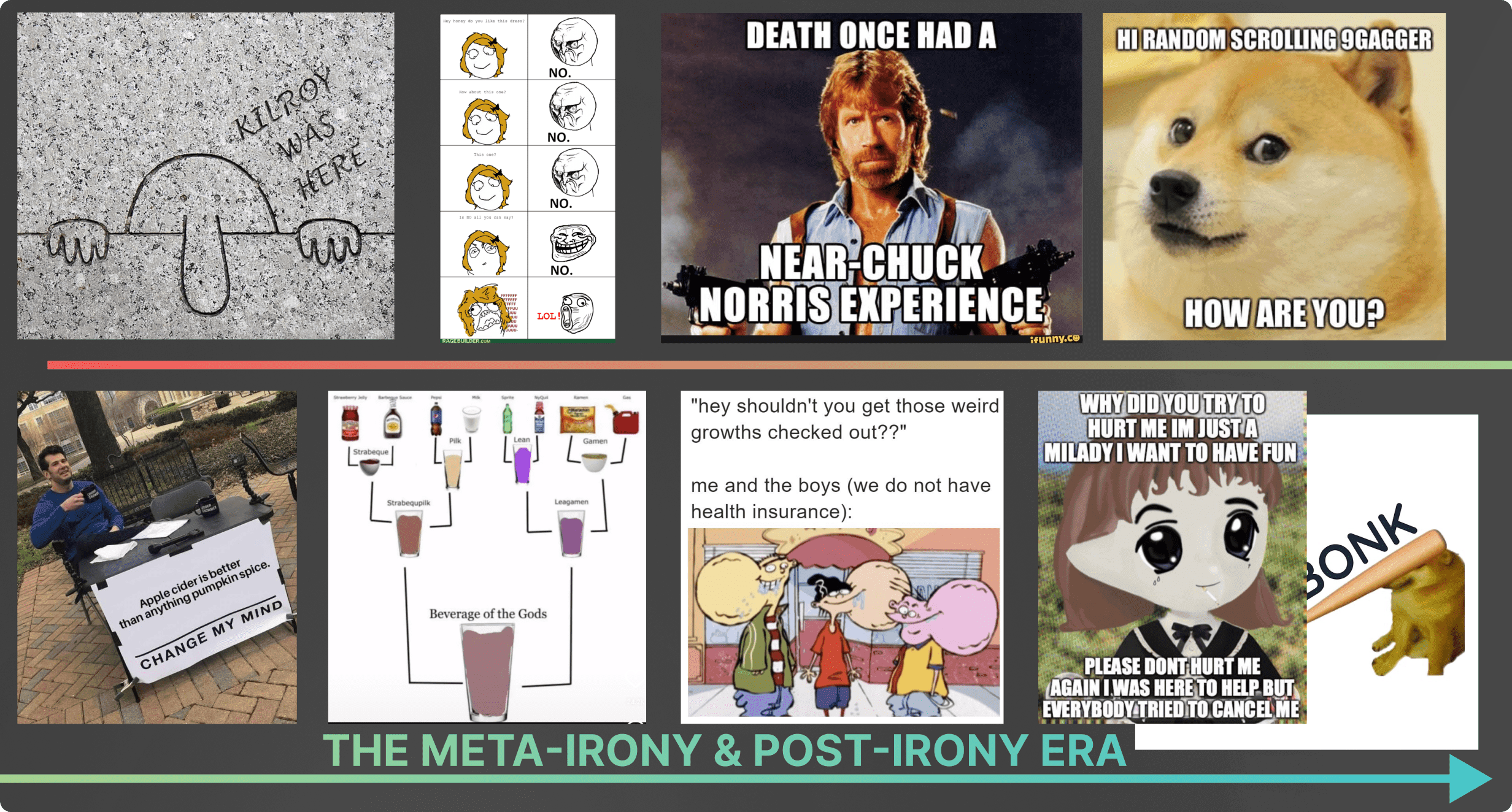
The evolution happened because users remix old memes for new contexts. A format like “Distracted Boyfriend” gets changed to fit current events. This keeps them fresh and relevant. As social media grew, memes became a way to react quickly to news. They now influence opinions and start discussions. This growth makes them a core part of online language.
Memes as Storytelling Tools
Memes tell stories in a short, visual way. They use images to show emotions or situations that words alone can’t capture. For instance, a GIF of someone facepalming shows frustration without explanation. This makes communication faster in busy online spaces. People relate to these shared visuals, building connections. It’s like a shortcut to understanding each other’s feelings.
In storytelling, memes often follow patterns. The “Two Buttons” format shows choices in a funny light. Users adapt it to personal stories, like work decisions. This participatory style lets everyone add their twist. It turns passive reading into active creation. As a result, conversations become more engaging and inclusive. Learning to use them can make your online posts more impactful.
Political and Cultural Impact
Memes affect politics by spreading ideas quickly. During elections, they highlight candidate flaws or support causes. For example, some memes in 2016 shaped views on U.S. candidates. They make complex topics simple and shareable. This can rally support or criticize power. However, they sometimes spread false info, so fact-checking is key.
Culturally, memes reflect society’s values and changes. They comment on trends like remote work or social justice. Formats like “How It Started vs. How It’s Going” show progress or failure. This helps people process events together. On the downside, they can reinforce stereotypes if not used carefully. Overall, they shape how cultures evolve through shared humor and critique.

Language Evolution Through Internet Culture
Slang and Abbreviations
Internet slang shortens words for quick typing, like “TBH” for “to be honest.” It started in chat rooms to save time. Now, it’s common in texts and posts. This makes talks casual and fun. But it can confuse outsiders, like older people. Learning common terms helps bridge gaps in communication.
Abbreviations evolve with trends. “FOMO” means “fear of missing out,” capturing modern anxieties. They spread through social media, becoming part of everyday speech. This blurs lines between online and offline talk. Positively, it creates bonds in groups. Negatively, it might weaken formal writing skills if overused.
Emojis and GIFs
Emojis add emotion to text, like a smiley face for happiness. They started in Japan and went global. GIFs are short looping videos for reactions. Together, they make messages clearer and more expressive. For example, a thumbs-up emoji confirms agreement without words.

Using emojis and GIFs reduces misunderstandings in text-only talks. A heart emoji shows love, adding warmth. GIFs from movies convey tone, like excitement. This visual layer enriches communication. However, meanings vary by culture, so context matters. They make online interactions feel more like face-to-face ones.
Impact on Formal Communication
Internet language creeps into formal settings, like emails with emojis. This makes business talks friendlier. But it risks seeming unprofessional. Balancing casual and formal styles is important. For instance, use slang in team chats but not in reports.
In education, students mix online slang in essays. Teachers note it affects grammar. Training on context helps. Positively, it makes learning materials engaging. Overall, it pushes formal communication to adapt, blending old rules with new habits.
Social Media’s Influence on Interactions
Building Communities
Social media builds groups around shared interests, like hobby pages on Facebook. People connect over topics, sharing tips and support. This creates strong bonds without meeting. For example, fitness groups motivate members daily. It expands social circles beyond local areas.
These communities offer belonging and advice. During tough times, like pandemics, they provide emotional help. However, moderation is needed to avoid toxic behavior. Active participation builds trust. This shifts communication from one-to-one to group-based, enriching exchanges.
Viral Trends and Challenges
Viral trends spread fast, like dance challenges on TikTok. They encourage participation, creating shared experiences. This boosts creativity and fun in communication. Trends often start small but reach millions, showing online power.
Challenges can promote good causes, like ice bucket for charity. But some are risky, leading to injuries. Understanding trends helps you join safely. They shape how people express themselves, making communication more interactive and visual.
Online Identity Formation
People craft online profiles to show their best sides. This affects how others see them. Photos and posts build identity. It allows self-expression, like sharing art. But it can lead to pressure for perfection.
Identity online influences real-life talks. Positive feedback boosts confidence. Negatively, fake profiles cause distrust. Tips include being authentic to build real connections. This formation changes how we present in all communications.
Positive Effects on Modern Communication
Increased Connectivity
Internet culture connects people across distances. Video calls keep families close despite moves. Apps like WhatsApp make it free and easy. This strengthens ties, reducing isolation. Studies show more internet use means more family talk time.
Connectivity helps in work too, with remote teams collaborating. It opens doors to new friends globally. For migrants, it’s vital for home links. Overall, it makes the world smaller, enhancing daily interactions.
Global Reach and Cultural Exchange
Online platforms share cultures worldwide. A recipe from India reaches the U.S. instantly. This fosters understanding and tolerance. Language barriers drop with translation tools. Exchanges enrich personal growth.
Cultural exchange sparks innovation, like fusion music from collaborations. It challenges biases through diverse views. However, respect for differences is key. This global reach transforms local talks into international dialogues.
Empowerment and Activism
Internet culture empowers voices through petitions and hashtags. Movements like #MeToo gain traction online. This mobilizes support fast, leading to change. Social media amplifies marginalized groups.
Activism online educates masses on issues. Live streams show events in real time. It encourages participation from home. Tips for effective activism include verifying sources. This empowerment reshapes how we address social problems.
Negative Effects and Challenges
Misinformation and Echo Chambers
Misinformation spreads quickly online, like false health tips. Memes can twist facts for laughs. This confuses public opinion. Echo chambers reinforce beliefs by showing similar views only.
To fight this, check sources before sharing. Diverse follows break chambers. Education on media literacy helps. These issues make communication less reliable, affecting decisions.
Mental Health Impacts
Constant online presence causes stress, like comparing lives. Notifications disrupt focus. Studies link heavy use to loneliness, despite connections. Balance is crucial.
Tips include setting screen limits and offline time. Support networks help. This impact changes how we view self-worth through likes. Addressing it improves overall communication health.
Privacy Concerns
Sharing online risks data breaches. Posts can be misused. This erodes trust in platforms. Laws like GDPR aim to protect, but awareness is key.
Protect privacy by adjusting settings and thinking before posting. It affects how freely we communicate. Balancing openness with safety is essential for healthy interactions.
Empirical Insights and Studies
Effects on Family and Friend Communication
Research shows internet use boosts talk time with family and friends. One study found more hours online mean more minutes chatting weekly. It’s stronger for family, reducing loneliness.
For friends, it enhances bonds through shared content. During pandemics, tools like video calls maintained closeness. This data proves online habits complement real-life ties.
Moderating Factors
Factors like age affect impacts. Younger people see bigger gains from skills. Urban areas benefit more due to better access. Education level also plays a role, with higher educated using it effectively.
Online skills moderate effects; proficient users communicate better. Migration status strengthens family links online. Understanding these helps tailor use for best results.
Future Directions
As tech advances, AI will create personalized content, changing talks. VR could make online meets feel real. Trends like short videos will dominate.
Prepare by learning new tools. Ethical use will be key to avoid issues. Future communication will mix virtual and real seamlessly, offering new ways to connect.
For more visit incestflox.
Conclusion
Internet culture has reshaped communication in profound ways. From memes to social media, it offers tools for expression and connection. While positives like global reach empower us, negatives like misinformation require caution. By using insights from studies and tips here, you can navigate this landscape effectively. Stay informed and balanced to make the most of these changes in your daily talks.